Reach out to us
Thank you! Your submission has been received!
Oops! Something went wrong while submitting the form.
**For inquiries related to your personalized link, please reach out here,


The Grand
Overview
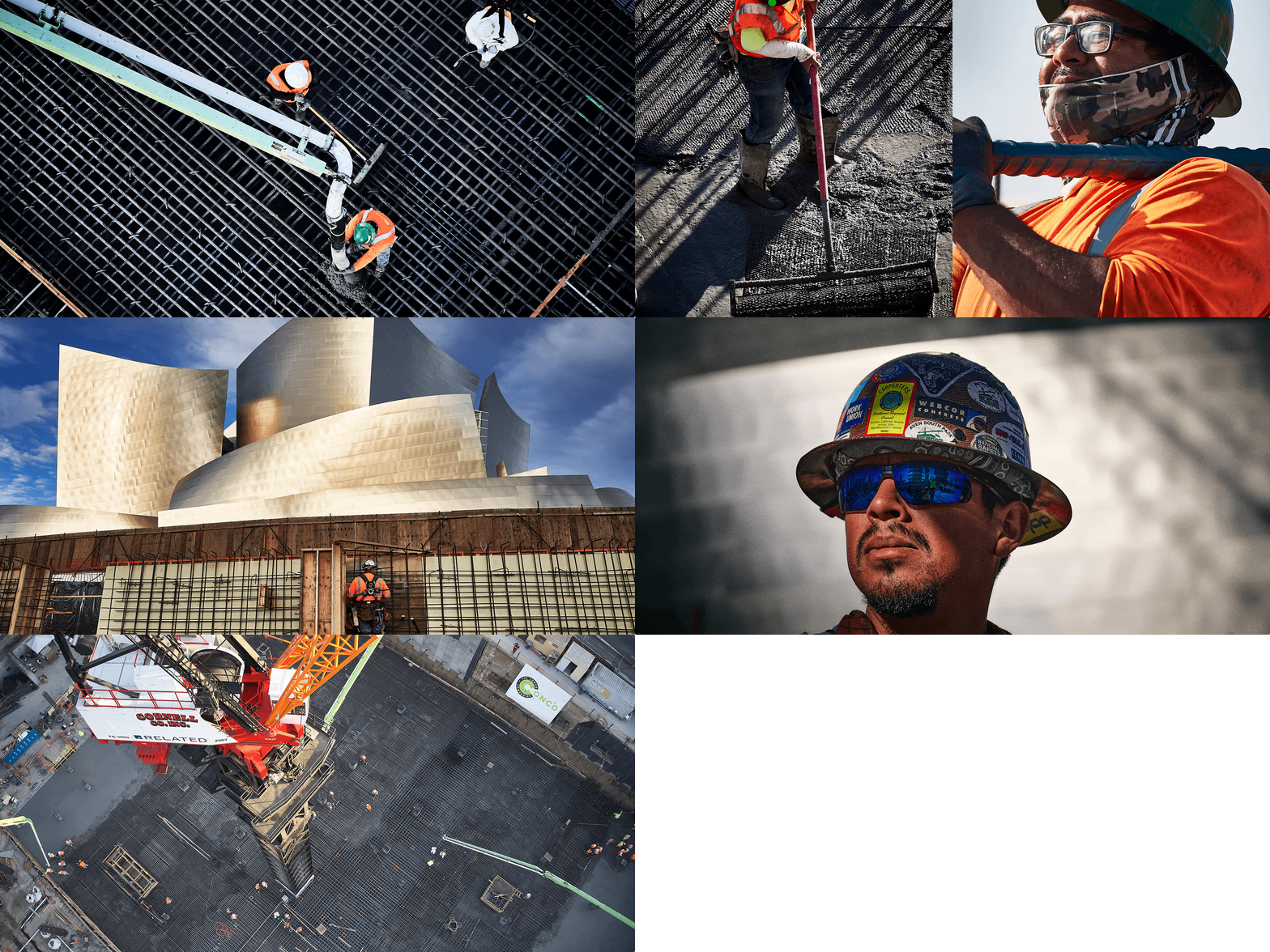
Photographing Frank Gehry's The Grand meant showing up weekly for three and a half years — starting with a hole in the ground and ending with one of the most significant architectural additions to downtown Los Angeles in a generation. The project didn't ask for documentation. It asked for a chronicle.
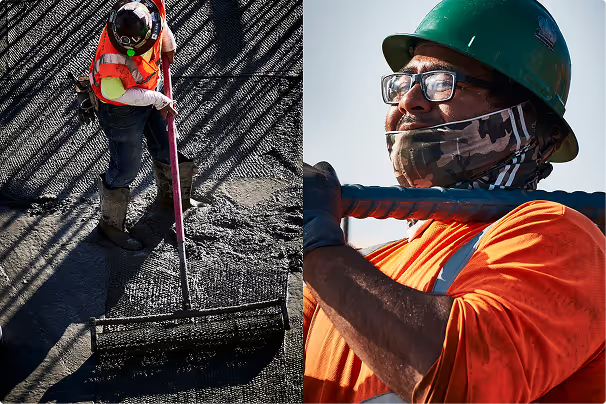
Through a global pandemic, through concrete pours and tower cranes, through rebar walks and conversations with Gehry himself — every stage was captured. Not as a record of progress, but as a portrait of a building finding its own shape.
Through a global pandemic, through concrete pours and tower cranes, through rebar walks and conversations with Gehry himself — every stage was captured. Not as a record of progress, but as a portrait of a building finding its own shape.
Type
Architecture & Construction Photography
Location
Downtown Los Angeles, CA
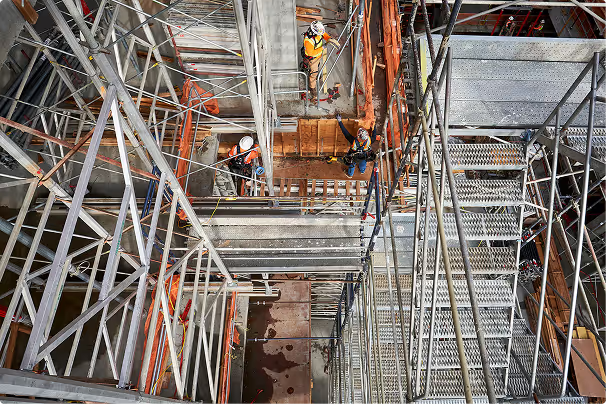
Three and a half years. Every floor. Every pour. Every shift.
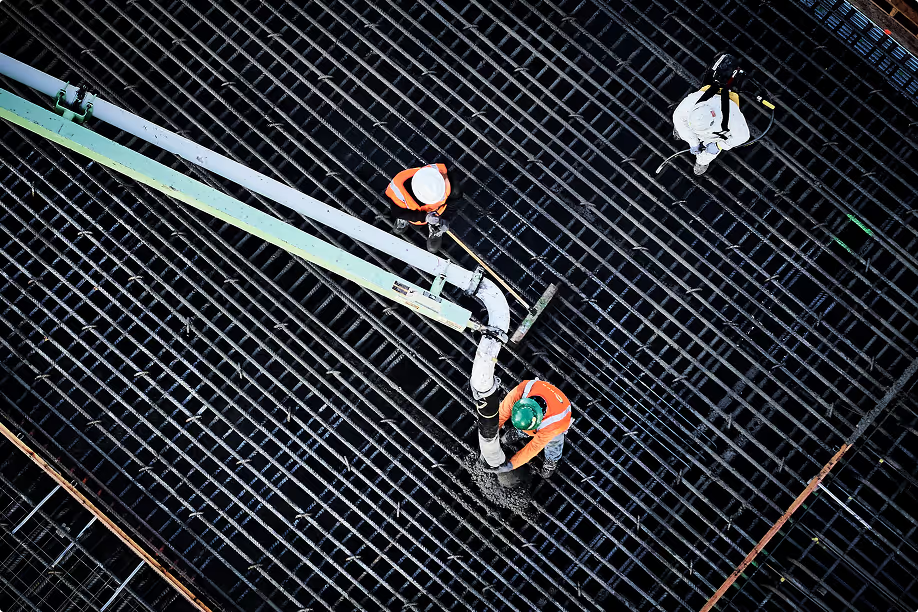
Meeting the architect.
Spending time with Frank Gehry on site changed the project. Not in what was photographed, but in how it was seen. His way of moving through the building — looking at angles, touching surfaces, reading structure — became a frame for the photography. You stop documenting and start looking through the same lens.
The Phase One IQ4 150 made the difference at a project of this scale. At 151 megapixels, images hold up against any output — a construction report, a presentation to investors, a museum-scale print. Three and a half years of material, all of it built to last.
The Phase One IQ4 150 made the difference at a project of this scale. At 151 megapixels, images hold up against any output — a construction report, a presentation to investors, a museum-scale print. Three and a half years of material, all of it built to last.
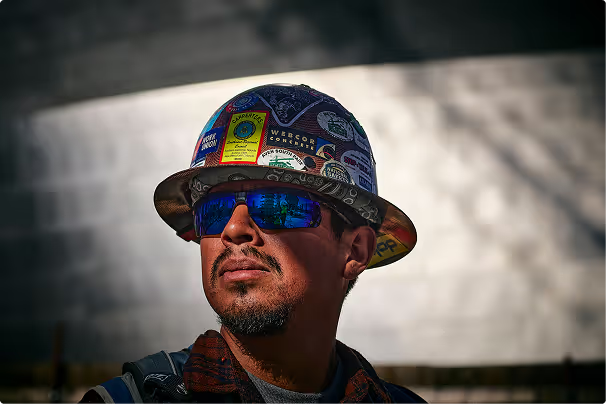
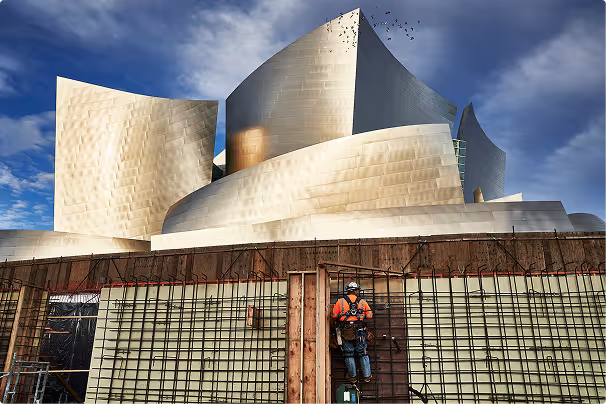
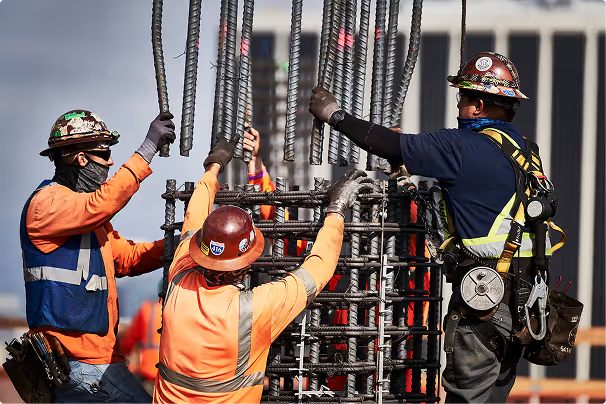
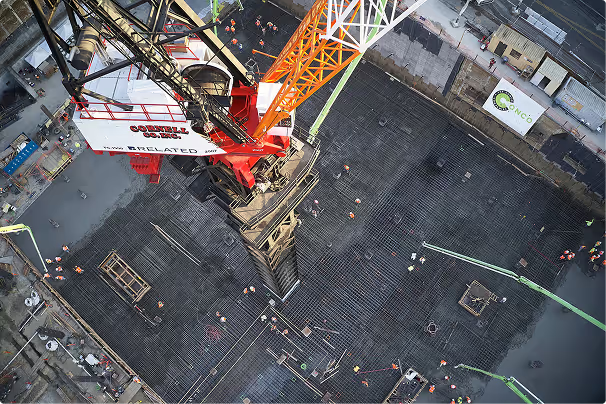
It started as a hole in the ground.
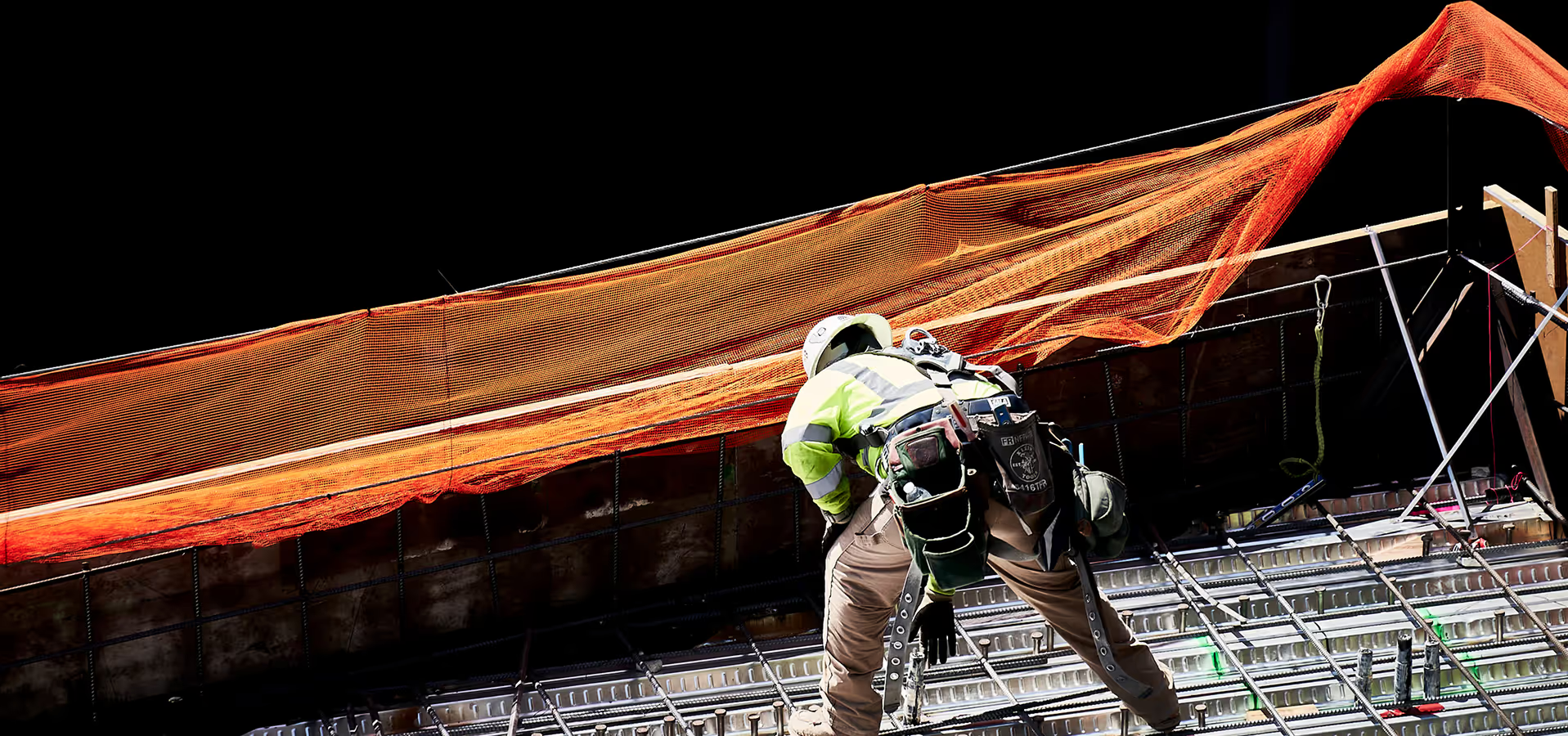
Weekly visits with a DJI Mavic 3 Cine, a Phase One IQ4 150, and two Sony A7R IVs. The backpack didn't change. The building did — floor by floor, pour by pour. The pandemic arrived partway through. Masks went on. The visits continued. Some weeks the only constant was showing up.
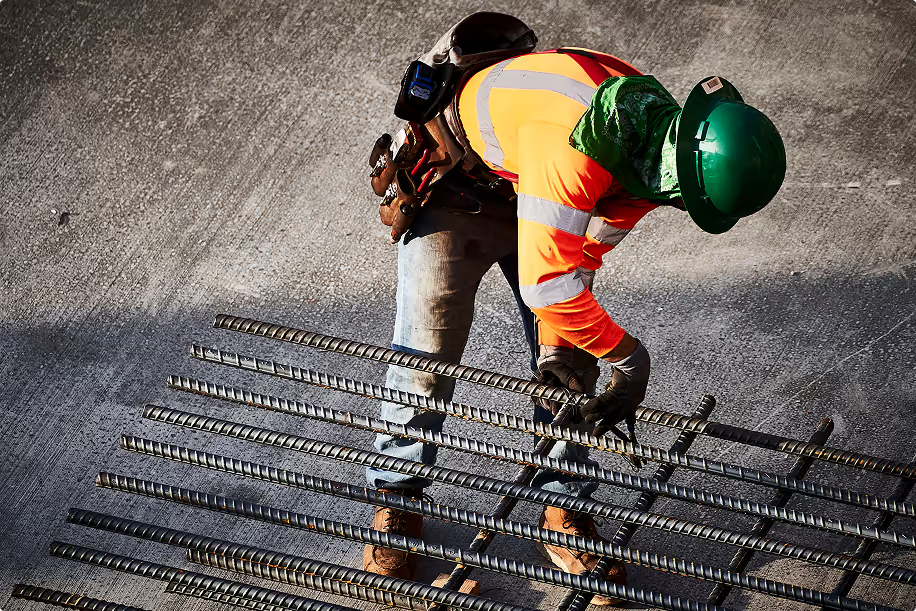
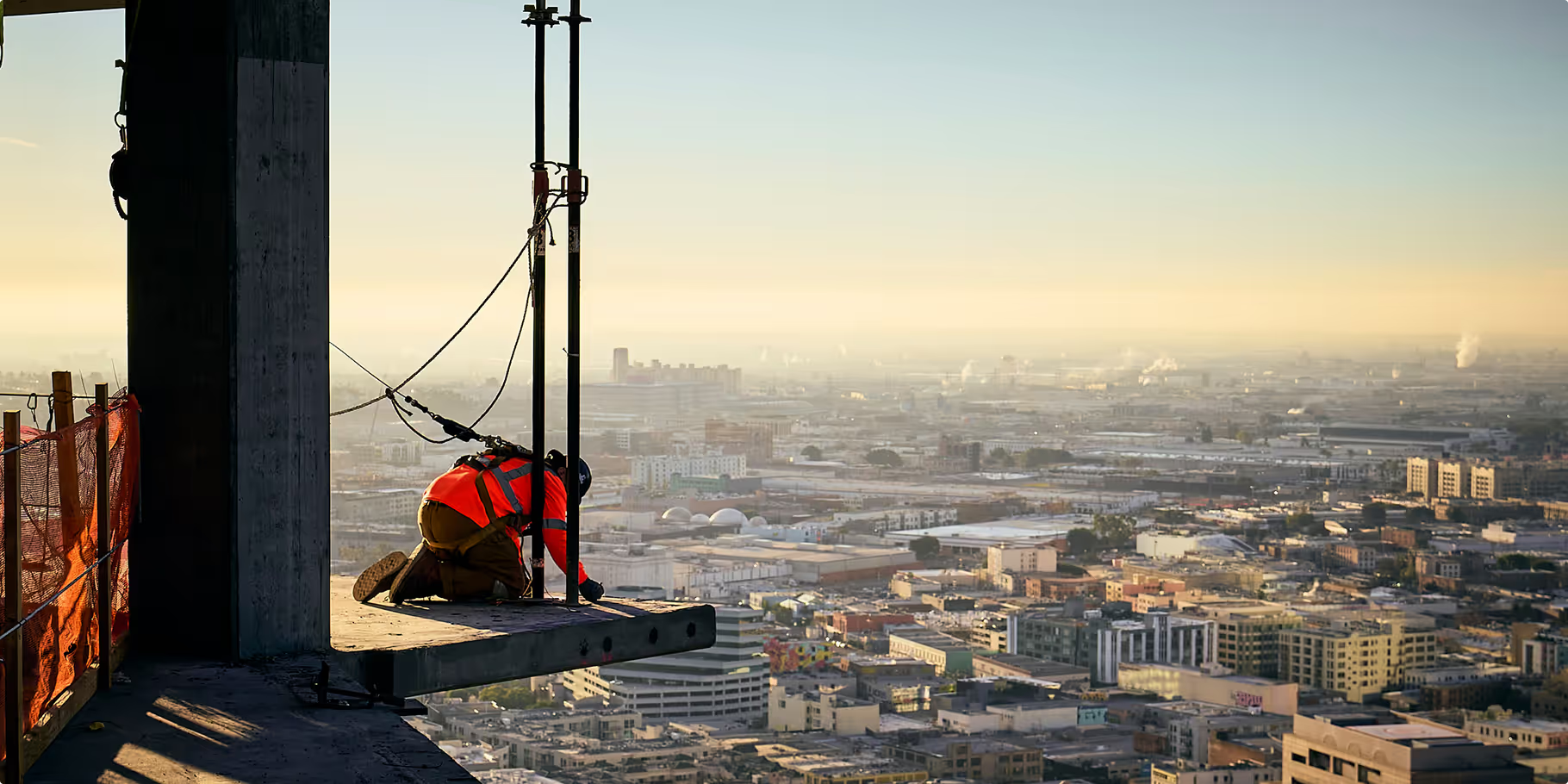
Walking on rebar, timing shots between concrete pumps — construction photography at this scale isn't about access. It's about learning the site's language well enough to be invisible inside it, and present for the moments that only happen once.
Walking on rebar, timing shots between concrete pumps — construction photography at this scale isn't about access. It's about learning the site's language well enough to be invisible inside it, and present for the moments that only happen once.
This work disappears once the launch is over. The crew goes home. The panels keep converting sunlight. The company moves forward with its rebrand. What stays are the images — a record of the field as it actually was, on two days in the Mojave, when everything was still in motion and the future was still being built.